Restaurant Style Lobster Pasta
Highlighted under: World Flavor Stories
When I first tasted lobster pasta at a fancy restaurant, I knew I had to recreate it at home. The rich flavors of the seafood combined with a luscious creamy sauce captivated my palate. After some experimentation, I discovered that the secret lies in using high-quality lobster and a blend of aromatic herbs. This recipe perfectly balances the buttery richness with a hint of citrus, taking any dinner to a whole new level. I can’t wait for you to try it and impress your friends and family with this restaurant-style dish.
My journey with cooking lobster pasta started when I was on vacation and had the most divine bowl at a seaside bistro. I wanted to replicate that restaurant experience at home, so I spent hours researching and trying different methods. Ultimately, I realized that using fresh, quality ingredients and respecting their flavors made all the difference in achieving that authentic taste.
A crucial takeaway from my experimentation is the importance of not overcooking the lobster. A quick sauté allows it to be tender and flavorful, enhancing the overall dish without losing its delicate essence. Trust me, this will elevate your pasta!
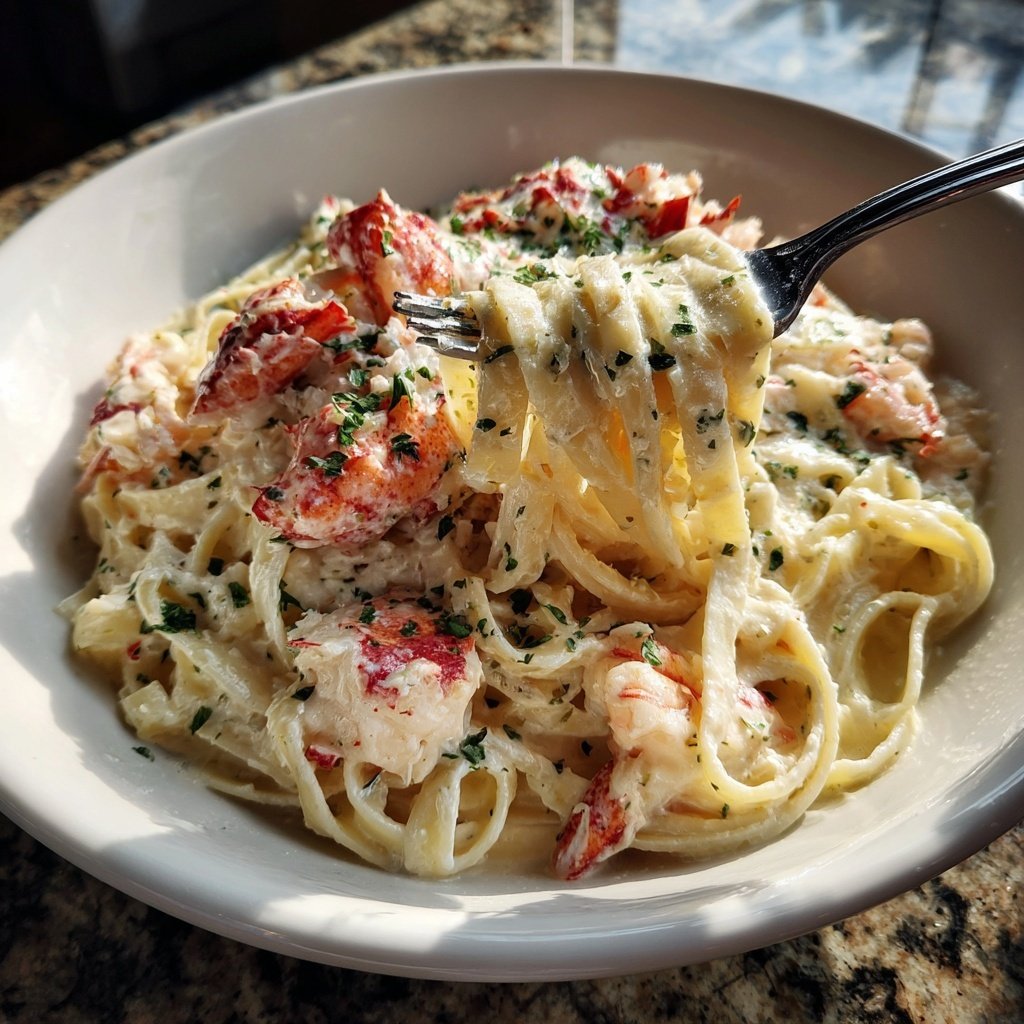
Why You'll Love This Recipe
- Decadent seafood flavor complemented by a creamy sauce
- Quick and easy to prepare, perfect for a fancy meal at home
- A touch of citrus that brightens up the dish
Choosing the Right Lobster
When it comes to making restaurant-style lobster pasta, the quality of your lobster meat is paramount. I recommend using freshly cooked lobster, ideally from a seafood market. If you cannot find fresh, frozen lobster can work in a pinch, but make sure to thaw it in the refrigerator overnight for the best texture. Avoid canned lobster as it often lacks the flavor and texture of fresh or frozen options.
The size of the lobster pieces matters too. Keep your lobster meat in bite-sized chunks, about one-inch pieces. This helps distribute the flavor throughout the dish and allows for a more balanced texture against the creamy sauce. When you sauté the lobster in step three, it will warm through quickly, ensuring that it doesn't overcook and turn rubbery.
Cream Sauce Mastery
Creating a perfect cream sauce takes a careful hand. Start by keeping your heat at medium to avoid boiling the cream, which can lead to curdling. Once you pour in the cream after the wine has reduced, stir continuously to help emulsify the ingredients. The sauce will thicken after about five minutes of gentle simmering; it should coat the back of a spoon when ready. If it looks too thin, let it simmer a couple more minutes, but keep a close eye to avoid burning.
Lemon juice and zest are essential in this dish, as they elevate the richness of the cream and lobster. Make sure to zest lightly, avoiding the bitter white pith beneath the skin. When adding the lemon juice, taste as you go; the acidity should enhance the dish without overpowering it. A well-balanced sauce means that each bite of lobster pasta will offer layers of flavor.
Serving and Storing Your Dish
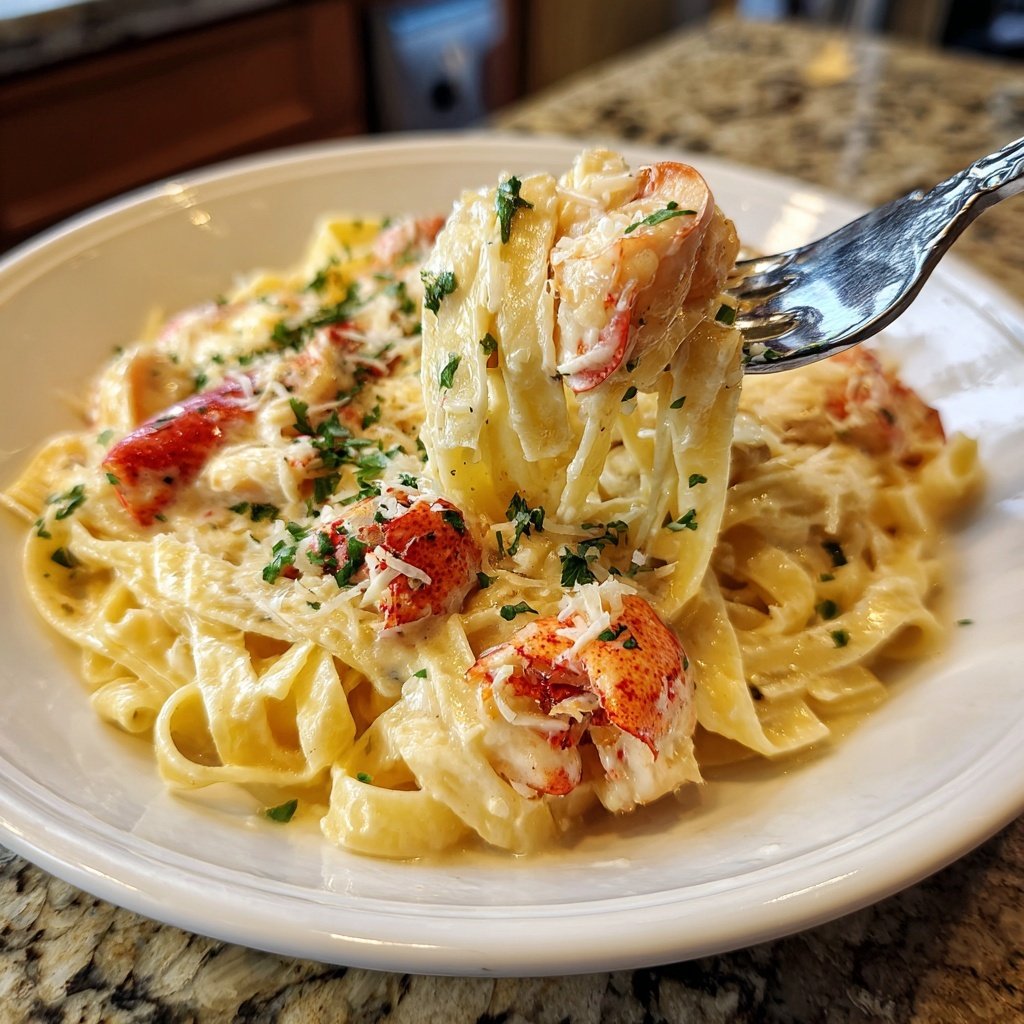
For a polished presentation, consider garnishing your lobster pasta with additional lemon zest and a sprinkle of freshly grated Parmesan cheese. A light drizzle of high-quality olive oil can also add a beautiful sheen and enhance the dish's flavor. Pair this pasta with a crisp green salad or a simple garlic bread to round out your meal. A chilled glass of white wine, such as a Sauvignon Blanc, complements the richness beautifully.
If you have leftovers, store them in an airtight container in the refrigerator for up to two days. Reheat gently on the stovetop over low heat, adding a splash of cream or reserved pasta water as needed to revive the sauce. To prevent the pasta from becoming mushy, avoid microwaving, as the direct heat can further degrade the texture of the noodles and lobster.
Ingredients
Gather these ingredients before you start cooking:
Ingredients
- 8 oz linguine pasta
- 1 lb lobster meat, cooked and chopped
- 2 tbsp olive oil
- 3 cloves garlic, minced
- 1 cup heavy cream
- 1/2 cup dry white wine
- 1 lemon, juiced and zested
- 1/4 cup fresh parsley, chopped
- Salt and pepper to taste
- Grated Parmesan cheese for serving
Keep these ingredients handy for an effortless cooking experience.
Instructions
Follow these steps to create a delicious lobster pasta:
Cook the Pasta
In a large pot of boiling salted water, cook the linguine according to package instructions until al dente. Drain and set aside, reserving a cup of pasta water.
Prepare the Sauce
In a large skillet, heat the olive oil over medium heat. Add the minced garlic and sauté for about 1 minute until fragrant.
Add Lobster and Wine
Stir in the lobster meat, then add the white wine. Cook for 2–3 minutes, allowing the wine to reduce slightly.
Create the Cream Sauce
Pour in the heavy cream, lemon juice, and zest. Stir and let it simmer for 5 minutes until slightly thickened.
Combine Pasta and Sauce
Add the cooked linguine to the skillet and toss to coat. If the sauce is too thick, add reserved pasta water a little at a time until desired consistency is reached.
Garnish and Serve
Add fresh parsley, salt, and pepper to taste. Serve with grated Parmesan on top for an extra touch of flavor.
Enjoy your delicious lobster pasta!
Pro Tips
- For an even richer flavor, consider adding a splash of brandy to the sauce during the cooking process. It enhances the overall depth and complements the lobster beautifully.
Tips for Variations
This lobster pasta can easily be adapted to suit your taste. If you're looking to incorporate more vegetables, consider adding cherry tomatoes or arugula in the final stages of cooking; they add vibrant color and freshness. Alternatively, for a spicy kick, sprinkle in red pepper flakes when sautéing the garlic. These variations keep the dish exciting each time you prepare it.
For a lighter version, you can substitute half of the heavy cream with a mixture of half-and-half or even chicken broth. This will reduce the richness while still providing a creamy consistency. Similarly, you can explore different pasta types, such as fettuccine or spaghetti, which might change the mouthfeel and presentation of the dish differently.
Scaling the Recipe
If you're planning to serve a larger group, this recipe scales beautifully! Simply double or triple the ingredients while keeping the same method. Ensure that your pot for cooking pasta is large enough, and consider using two skillets to sauté the lobster and prepare the sauce to manage the increased volume effectively.
When scaling up, be mindful of simmering times—large quantities may take a bit longer to reach the right consistency. Always taste along the way, adjusting salt, lemon juice, or herbs to ensure the dish stays balanced and flavorful. I recommend doing a test run with a smaller batch if you're trying a new ingredient or method to assess how it complements the lobster pasta.
Questions About Recipes
→ Can I use frozen lobster meat for this recipe?
Yes, you can use frozen lobster meat. Just ensure it's thawed and heated through before adding it to the sauce.
→ What type of wine should I use?
Choose a dry white wine like Sauvignon Blanc or Pinot Grigio for the best flavor pairing with seafood.
→ Is there a way to make this dish lighter?
You can substitute heavy cream with half-and-half or a plant-based alternative, though the texture and richness will be different.
→ Can I make this ahead of time?
It's best enjoyed fresh, but you can prepare the sauce ahead and store it in the fridge. Reheat gently before combining with pasta.
Restaurant Style Lobster Pasta
Created by: Daisy Webb
Recipe Type: World Flavor Stories
Skill Level: Intermediate
Final Quantity: 4 servings
What You'll Need
Ingredients
- 8 oz linguine pasta
- 1 lb lobster meat, cooked and chopped
- 2 tbsp olive oil
- 3 cloves garlic, minced
- 1 cup heavy cream
- 1/2 cup dry white wine
- 1 lemon, juiced and zested
- 1/4 cup fresh parsley, chopped
- Salt and pepper to taste
- Grated Parmesan cheese for serving
How-To Steps
In a large pot of boiling salted water, cook the linguine according to package instructions until al dente. Drain and set aside, reserving a cup of pasta water.
In a large skillet, heat the olive oil over medium heat. Add the minced garlic and sauté for about 1 minute until fragrant.
Stir in the lobster meat, then add the white wine. Cook for 2–3 minutes, allowing the wine to reduce slightly.
Pour in the heavy cream, lemon juice, and zest. Stir and let it simmer for 5 minutes until slightly thickened.
Add the cooked linguine to the skillet and toss to coat. If the sauce is too thick, add reserved pasta water a little at a time until desired consistency is reached.
Add fresh parsley, salt, and pepper to taste. Serve with grated Parmesan on top for an extra touch of flavor.
Extra Tips
- For an even richer flavor, consider adding a splash of brandy to the sauce during the cooking process. It enhances the overall depth and complements the lobster beautifully.
Nutritional Breakdown (Per Serving)
- Calories: 620 kcal
- Total Fat: 32g
- Saturated Fat: 18g
- Cholesterol: 200mg
- Sodium: 270mg
- Total Carbohydrates: 55g
- Dietary Fiber: 4g
- Sugars: 2g
- Protein: 28g