Homemade Sweet Sourdough Loaf
Highlighted under: Sweet Traditions
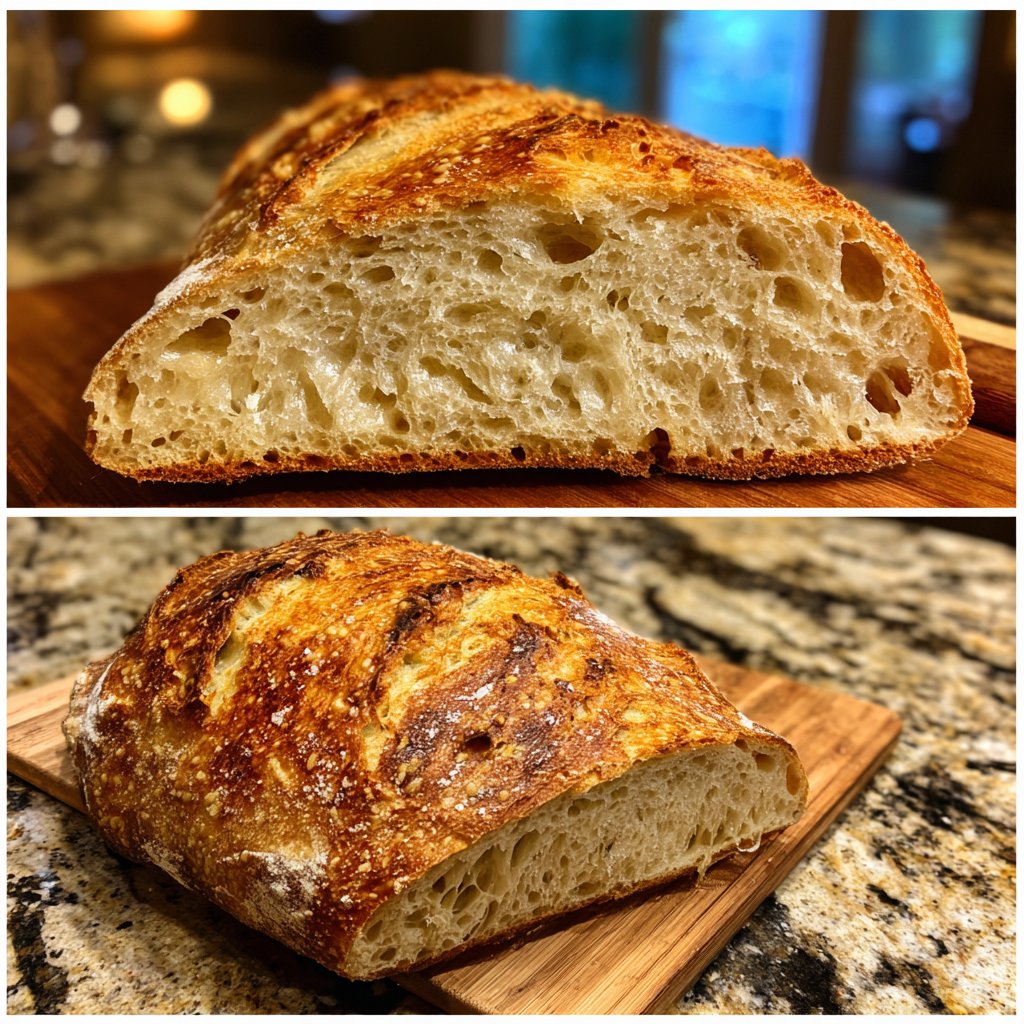
When I decided to make my own sourdough bread, I didn’t realize how rewarding it would be. This Homemade Sweet Sourdough Loaf combines the tangy flavor of traditional sourdough with a touch of sweetness, which gives it a delightful twist. I've spent time perfecting the balance of ingredients to ensure a soft texture and a beautiful crust. The best part? It's surprisingly easy to whip up, and the intoxicating aroma that fills my kitchen is nothing short of magical.
During my first attempt at sourdough, I was amazed at how simple it was to create a starter from just flour and water. This homemade sweet version quickly became a favorite in our household. The method I use ensures that the dough rises beautifully, providing that wonderful airiness we all crave in a good loaf.
I discovered that adding a hint of honey elevates the flavor profile and complements the natural tang of the sourdough. Experimenting with different flours helped me find the perfect mix that consistently delivers superb results, making each bake a delightful surprise.
Why You'll Love This Recipe
- The perfect balance of tangy and sweet flavors.
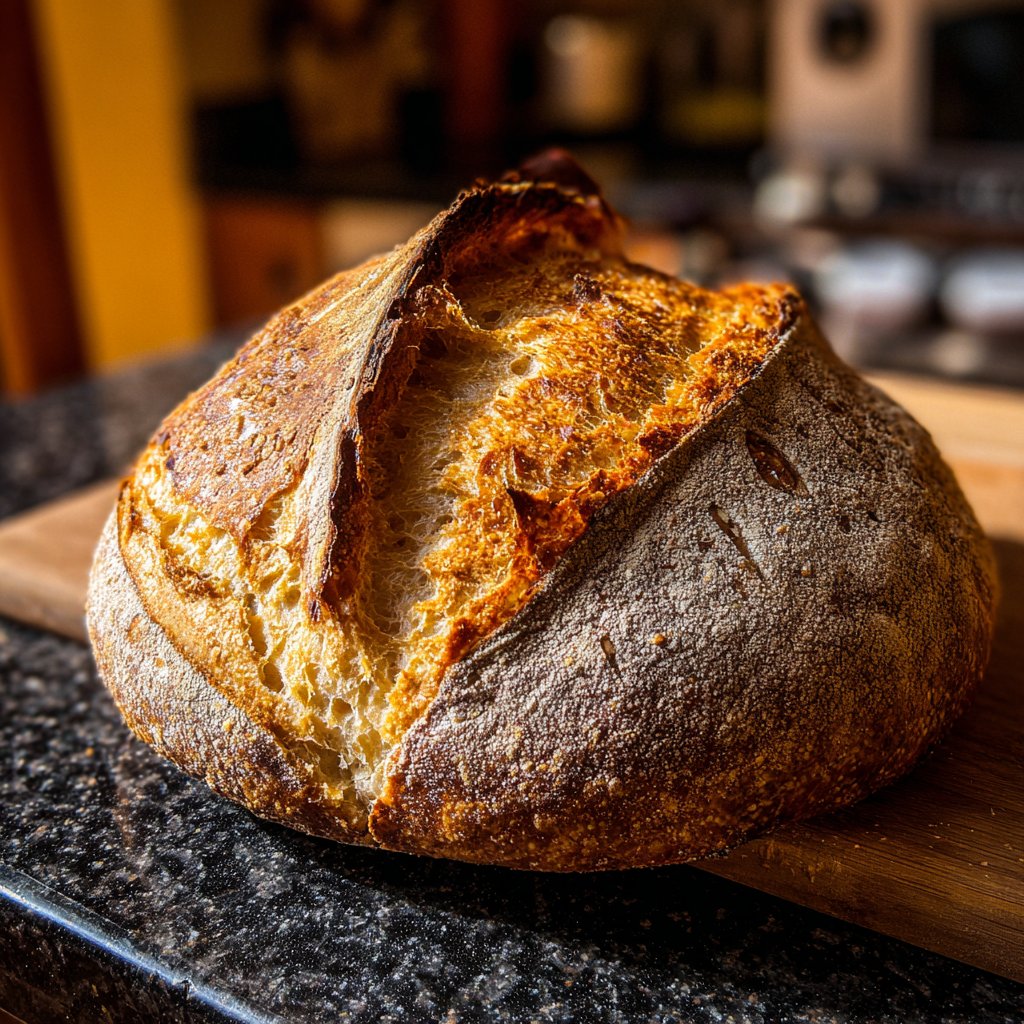
- A crusty exterior with a soft, warm interior.
- Great for sandwiches, toast, or simply with butter.
Understanding Sourdough Starter
The sourdough starter is the heart of this Homemade Sweet Sourdough Loaf, providing the distinctive tang that contrasts beautifully with the sweetness of honey. Using an active starter ensures that your bread rises adequately. If you're uncertain about the activity level of your starter, perform a 'float test' by dropping a spoonful into a glass of water; if it floats, it's ready to use.
Feel free to experiment with your starter's hydration level. A stiffer starter can create a denser loaf, while a wetter one may yield a softer, airier crumb. Maintain your starter's health by regularly feeding it with equal parts flour and water, ensuring it's bubbly and vigorous before integrating it into your dough.
Perfecting the Dough Texture
Achieving the ideal dough texture is crucial for the final loaf. After the autolyse step, the dough should be slightly tacky but not overly sticky. If it feels very wet, consider adding a small amount of additional flour during the kneading process, but be cautious not to over-dust. The goal is to achieve a stretchy, elastic dough that can hold air effectively to create a light crumb.
Also, remember that the kneading time can vary based on factors like humidity and flour type. Look for the dough to become smooth and shiny, which usually takes about 5 minutes. When properly kneaded, it should pass the 'windowpane test,' where a small piece stretches thin without tearing, indicating sufficient gluten development.
Storage and Serving Suggestions
Once your Sweet Sourdough Loaf is baked and cooled, proper storage can prolong its freshness. To keep the loaf soft, wrap it in a clean kitchen towel and store it in a bread box at room temperature. For longer storage, slicing the bread and freezing it in a resealable bag can preserve its texture; defrost slices as needed in a toaster or warm them in the oven.
This loaf pairs wonderfully with a variety of toppings. Try it toasted with a spread of butter or as a foundation for gourmet sandwiches with fresh vegetables and quality cheeses. The sweet-savory profile also complements cured meats and honey-based glazes, making it a versatile option for both casual breakfasts and elegant brunches.
Ingredients
Ingredients
For the Dough
- 500g bread flour
- 100g all-purpose flour
- 300ml warm water
- 150g sourdough starter (active)
- 50g honey
- 10g salt
Instructions
Instructions
Mix and Autolyse
In a large mixing bowl, combine the bread flour and all-purpose flour. Add the warm water and stir until just combined. Let this mixture sit for 30 minutes to allow the flour to absorb the water.
Add Starter and Honey
After the autolyse, add the active sourdough starter and honey to the dough. Mix well until cohesive. Let it rest for 30 minutes.
Incorporate Salt
Sprinkle the salt over the dough and knead it gently for about 5 minutes until fully incorporated. Cover the bowl with a damp cloth.
Bulk Fermentation
Let the dough rise at room temperature for about 2 hours, performing stretch and folds every 30 minutes.
Shape and Proof
Shape the dough into a round loaf and place it into a floured proofing basket. Cover and let it proof for another hour.
Preheat the Oven
Preheat your oven to 220°C (428°F) and place a Dutch oven inside to heat up.
Bake the Loaf
Carefully place the dough into the hot Dutch oven, cover it, and bake for 30 minutes. Remove the lid and bake for an additional 20-30 minutes until golden brown.
Cooling
Remove the loaf from the oven and let it cool on a wire rack for at least 1 hour before slicing.
Pro Tips
- Make sure your sourdough starter is active and bubbly before starting this recipe for the best results. Experimenting with different types of flour can enhance the flavor and texture of your loaf.
Troubleshooting Tips
If your dough isn't rising well during bulk fermentation, it may be due to an inactive starter or cool room temperatures. Make sure your starter is bubbly and at room temperature before mixing, and consider finding a warmer spot in your kitchen to encourage fermentation, such as near a draft-free window or using an oven with the light on.
In case the crust turns out too hard, it’s important to know that steam is vital for a perfect crust. Using a Dutch oven helps create steam, but if you're baking on a baking stone, placing a shallow pan filled with water on the bottom of the oven can mimic this effect.
Ingredient Substitutions
If you're looking for a gluten-free version, try substituting the bread and all-purpose flour with gluten-free flour blends specifically made for baking. However, to achieve a similar texture, you might need additional binding agents like xanthan gum to mimic gluten’s elasticity in the dough.
For a healthier twist, you can replace the honey with maple syrup or agave nectar, although these may alter the flavor profile slightly. Additionally, experimenting with whole grain flours such as whole wheat or spelt can enhance the nutritional value while providing a nuttier flavor.
Scaling the Recipe
This recipe can be easily scaled up for larger gatherings. Simply multiply the ingredients by the desired number of loaves, and be mindful to adjust your mixing and fermentation times accordingly. Larger quantities may require longer rise times, so keep an eye on your dough’s volume rather than strictly timing the process.
If you decide to make smaller batches, halving the recipe works seamlessly; however, using a kitchen scale for precision is recommended. Smaller dough balls might ferment and bake faster, so check for doneness a few minutes earlier to avoid overbaking.
Questions About Recipes
→ Can I use all-purpose flour instead of bread flour?
Yes, you can, but using bread flour will give your loaf a chewier texture.
→ How do I know my sourdough starter is ready to use?
Your starter should be bubbly and have doubled in size within 4 to 6 hours after feeding.
→ Can I make this recipe without honey?
Absolutely! You can omit the honey or substitute it with agave syrup or maple syrup.
→ How should I store my sourdough loaf?
Store in a bread box or wrapped in a kitchen towel to keep it crusty, or place in a plastic bag for softer bread.
Homemade Sweet Sourdough Loaf
Created by: Daisy Webb
Recipe Type: Sweet Traditions
Skill Level: Intermediate
Final Quantity: 1 loaf
What You'll Need
For the Dough
- 500g bread flour
- 100g all-purpose flour
- 300ml warm water
- 150g sourdough starter (active)
- 50g honey
- 10g salt
How-To Steps
In a large mixing bowl, combine the bread flour and all-purpose flour. Add the warm water and stir until just combined. Let this mixture sit for 30 minutes to allow the flour to absorb the water.
After the autolyse, add the active sourdough starter and honey to the dough. Mix well until cohesive. Let it rest for 30 minutes.
Sprinkle the salt over the dough and knead it gently for about 5 minutes until fully incorporated. Cover the bowl with a damp cloth.
Let the dough rise at room temperature for about 2 hours, performing stretch and folds every 30 minutes.
Shape the dough into a round loaf and place it into a floured proofing basket. Cover and let it proof for another hour.
Preheat your oven to 220°C (428°F) and place a Dutch oven inside to heat up.
Carefully place the dough into the hot Dutch oven, cover it, and bake for 30 minutes. Remove the lid and bake for an additional 20-30 minutes until golden brown.
Remove the loaf from the oven and let it cool on a wire rack for at least 1 hour before slicing.
Extra Tips
- Make sure your sourdough starter is active and bubbly before starting this recipe for the best results. Experimenting with different types of flour can enhance the flavor and texture of your loaf.
Nutritional Breakdown (Per Serving)
- Calories: 350 kcal
- Total Fat: 1g
- Saturated Fat: 0g
- Cholesterol: 0mg
- Sodium: 10mg
- Total Carbohydrates: 72g
- Dietary Fiber: 2g
- Sugars: 5g
- Protein: 10g