Classic Aioli Sauce Recipe
Highlighted under: World Flavor Stories
I absolutely love making classic aioli sauce because it brings a vibrant, garlicky flavor that elevates almost any dish. Whether it's drizzled on roasted vegetables or served alongside crispy fries, this creamy concoction is simple yet rewarding. With just a handful of ingredients, I find the process of emulsifying the garlic and oil incredibly satisfying. Plus, it’s a fantastic base for adding various herbs and spices to tailor it to my taste. I can’t wait for you to try it!
When I first tried making aioli from scratch, I was blown away by how versatile and delicious it is. After some trial and error, I realized the key is to slowly add the oil while whisking vigorously, which creates that lovely creamy texture. The garlic must be fresh, as it contributes a robust flavor that can't be replaced.
One trick I learned is to use a little lemon juice to balance the richness. It not only brightens the flavor but also enhances the aioli's stability. Trust me, using high-quality olive oil makes all the difference too!
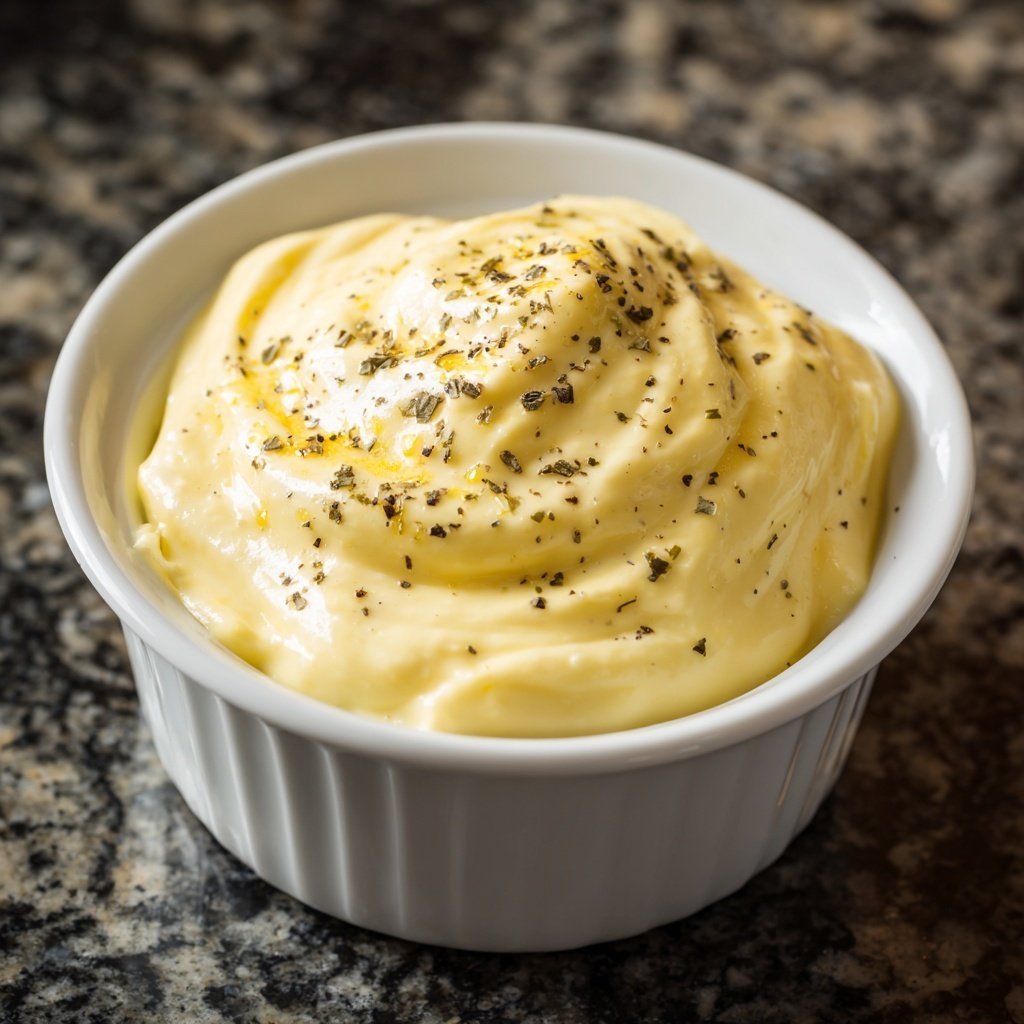
Why You'll Love This Aioli
- Rich, garlicky flavor that enhances any meal
- Creamy texture that makes it perfect for dipping
- Versatile and quick to whip up at home
Understanding the Emulsification Process
The key to achieving that luxurious, creamy texture in your aioli lies in the emulsification process. By slowly drizzling the olive oil into the egg yolk and garlic mixture while whisking vigorously, you create an emulsion that binds the oil and water components together. If you add the oil too quickly, the mixture may break, resulting in a thin consistency. Take your time with this step, allowing the oil to blend fully before adding more, and watch as the mixture transforms into a glossy sauce.
Recognizing when your aioli is properly emulsified is crucial. The sauce should become thick and hold its shape, with a slightly lighter color than the initial mixture. If you notice it hasn’t thickened in about five minutes of whisking, there may be an issue. In this case, stop adding oil and try transferring the mixture into a bowl, then start incorporating another fresh egg yolk. This can help salvage the aioli by re-emulsifying the ingredients.
Flavor Enhancements and Substitutions
While classic aioli is delicious, experimenting with additional flavors can enhance your experience. Consider adding fresh herbs such as basil or parsley for an herby twist. I also love incorporating a dash of smoked paprika for a subtle smokiness. If you're looking for a spicier kick, a few drops of hot sauce or some finely minced chili pepper can create a delightful heat that pairs beautifully with creamy textures.
For those who prefer a vegan alternative, swap the egg yolk with aquafaba, the liquid from a can of chickpeas. It mimics the emulsifying properties of egg yolk quite well. Just remember to adjust the olive oil amount slightly, as aquafaba can alter the thickness. For a lighter version, using light olive oil or half olive oil and half a neutral oil like canola can help achieve a similar consistency with less intensity.
Storage and Serving Suggestions
Homemade aioli is best enjoyed fresh but can be made ahead of time. Store it in an airtight container in the refrigerator for up to one week. To keep the sauce from darkening, place a piece of plastic wrap directly on the surface of the aioli before sealing the container. The flavors will meld and deepen as it sits, making it more delicious over time.
Aioli pairs wonderfully with a variety of foods. Try it drizzled over roasted vegetables like asparagus or Brussels sprouts for a rich flavor contrast. It’s also perfect alongside crispy fries or as a sandwich spread. You can even use it as a base for salad dressings or dips to elevate your favorite recipes. The versatility of aioli truly makes it a culinary asset!
Ingredients
Gather these ingredients to make your aioli:
Main Ingredients
- 3 cloves garlic, minced
- 1 egg yolk
- 1 cup olive oil
- 1 tablespoon lemon juice
- Salt to taste
Make sure all your ingredients are at room temperature for the best emulsion.
Instructions
Follow these simple steps to create your aioli:
Prepare the Garlic
In a bowl, mash the minced garlic with a pinch of salt to form a paste. This helps to release the flavors.
Mix the Egg Yolk
Add the egg yolk to the garlic paste in the bowl and whisk until well combined.
Incorporate the Olive Oil
Slowly drizzle in the olive oil while continuously whisking. This emulsifies the mixture, creating a creamy texture.
Add Lemon Juice and Season
Once all the oil is incorporated, stir in the lemon juice and adjust salt to taste.
Enjoy your homemade aioli with your favorite dishes!
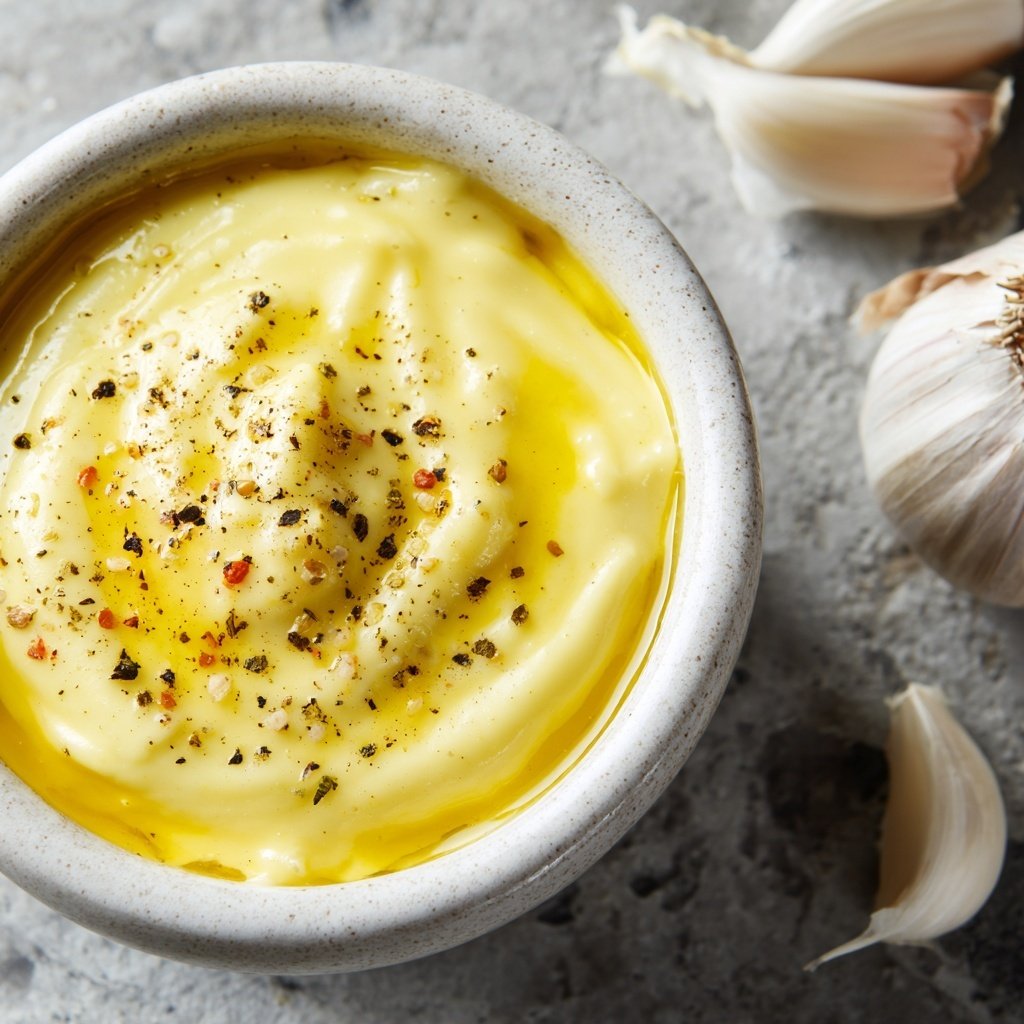
Pro Tips
- Use fresh garlic for the brightest flavor. If you want a more robust aioli, add herbs like parsley or basil for a twist.
Troubleshooting Common Issues
If your aioli separates or becomes too runny, it’s often due to adding the oil too quickly or not whisking vigorously enough. You can attempt to salvage it by starting again with a fresh egg yolk in a separate bowl, slowly whisking in the broken aioli as you would with the oil. This can help reinvigorate the emulsification.
Sometimes, aioli can taste a bit too strong or overwhelming. If this happens, balancing the flavor with additional lemon juice or adding a dollop of mayonnaise can help tone it down. This adjustment not only smooths the flavor profile but also contributes to a creamier texture.
Scaling the Recipe
If you're planning a larger gathering or simply want to have some extra aioli on hand, scaling this recipe is straightforward. Just maintain the same ratio of ingredients. Keep in mind that the whisking process may become more labor-intensive, so consider using a food processor for larger batches. It simplifies blending and emulsifying the ingredients effectively.
When scaling up, ensure you have a bowl that can accommodate the increased volume, and continue to drizzle in the olive oil slowly, regardless of the batch size. This method preserves the integrity of the emulsification and ensures that the texture remains rich and creamy, providing that satisfying experience with every use.
Questions About Recipes
→ Can I make aioli without egg?
Yes, you can substitute with mayonnaise or use aquafaba for a vegan version.
→ How long does homemade aioli last?
It can last in the refrigerator for up to a week, but it's best enjoyed fresh.
→ What can I serve aioli with?
Aioli is great with vegetables, fries, seafood, or as a spread on sandwiches.
→ Can I add different flavors to aioli?
Absolutely! Try incorporating herbs, spices, or even roasted red peppers for a unique twist.
Classic Aioli Sauce Recipe
Created by: Daisy Webb
Recipe Type: World Flavor Stories
Skill Level: Beginner
Final Quantity: 1 cup
What You'll Need
Main Ingredients
- 3 cloves garlic, minced
- 1 egg yolk
- 1 cup olive oil
- 1 tablespoon lemon juice
- Salt to taste
How-To Steps
In a bowl, mash the minced garlic with a pinch of salt to form a paste. This helps to release the flavors.
Add the egg yolk to the garlic paste in the bowl and whisk until well combined.
Slowly drizzle in the olive oil while continuously whisking. This emulsifies the mixture, creating a creamy texture.
Once all the oil is incorporated, stir in the lemon juice and adjust salt to taste.
Extra Tips
- Use fresh garlic for the brightest flavor. If you want a more robust aioli, add herbs like parsley or basil for a twist.
Nutritional Breakdown (Per Serving)
- Calories: 150 kcal
- Total Fat: 15g
- Saturated Fat: 2g
- Cholesterol: 37mg
- Sodium: 120mg
- Total Carbohydrates: 1g
- Dietary Fiber: 0g
- Sugars: 0g
- Protein: 1g